www.todoliteratura.es

a

PLAZA DE GUIPÚZCOA

QUÍTATELA, QUÍTASELA

15/02/2022@10:07:41

Estoy obsesionada con el orden y la limpieza. Ni te imaginas con qué milimétrica precisión doblo el trapo de cocina y lo coloco en la barra del horno. Por no hablar de la vitro, resplandeciente la tengo. Si te asomas, te ves la cara como el espejo del alma. Pa`mí que son efectos colaterales post pandémicos.

Entrevista a Fernando Ballano: “El objetivo principal de muchos soldados era permanecer vivos durante la guerra civil”

Autor de “Tierra de nadie”

Quedo con Fernando Ballano en casa de su editor Ricardo Artola. La tarde promete ser interesantísima porque ambos forman un dúo muy peculiar y conjuntado. Hay que reconocer que Artola tiene un fino olfato como editor para exprimir a sus autores y sacar todo lo que de bueno tienen y Ballano es un estudioso que se fija en lo que otros ni siquiera advertimos. Viajero impenitente, ha vivido en países como Burundi, Tanzania, Kenia o Uganda; ahora jubilado, se dedica a profundizar en la historia de la Guerra Civil española y lo hace de una manera increíblemente original.

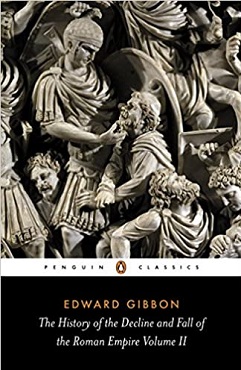
The Decline and Fall of the Roman Empire: an Ironic Compendium

With a simple reasoning we could explain the theory that sustains the great book The Decline and Fall of the Roman Empire, hoisted by Edward Gibbon. That reasoning is: a society unavoidably subjected to material conditions can be described in terms of tragedy; a society ruled by reason, that is, one that is free, can be described in terms of epic; but a society compounded by rational beings that is deceived by material accidents and psychological illusions deserves to be described in terms of satire. The said book is a methodic, philosophical, elegant and perdurable jeer against irrational beings, whose pretext was Rome. The famous sentence of Gibbon, quoted here and there as a slogan of the said work, thus gets a meaning, and it says: history is “the register of the crimes and follies and misfortunes of mankind” (1).